Augmentation, not automation
Think further.Decide better.You stay in charge.
Thinkers are synthetic intelligence built to augment the decisions you make every day. They challenge your options, remember what your organization has learned and simulate each alternative on a census-grounded market before you spend.
No personal data · census-grounded · methodology published







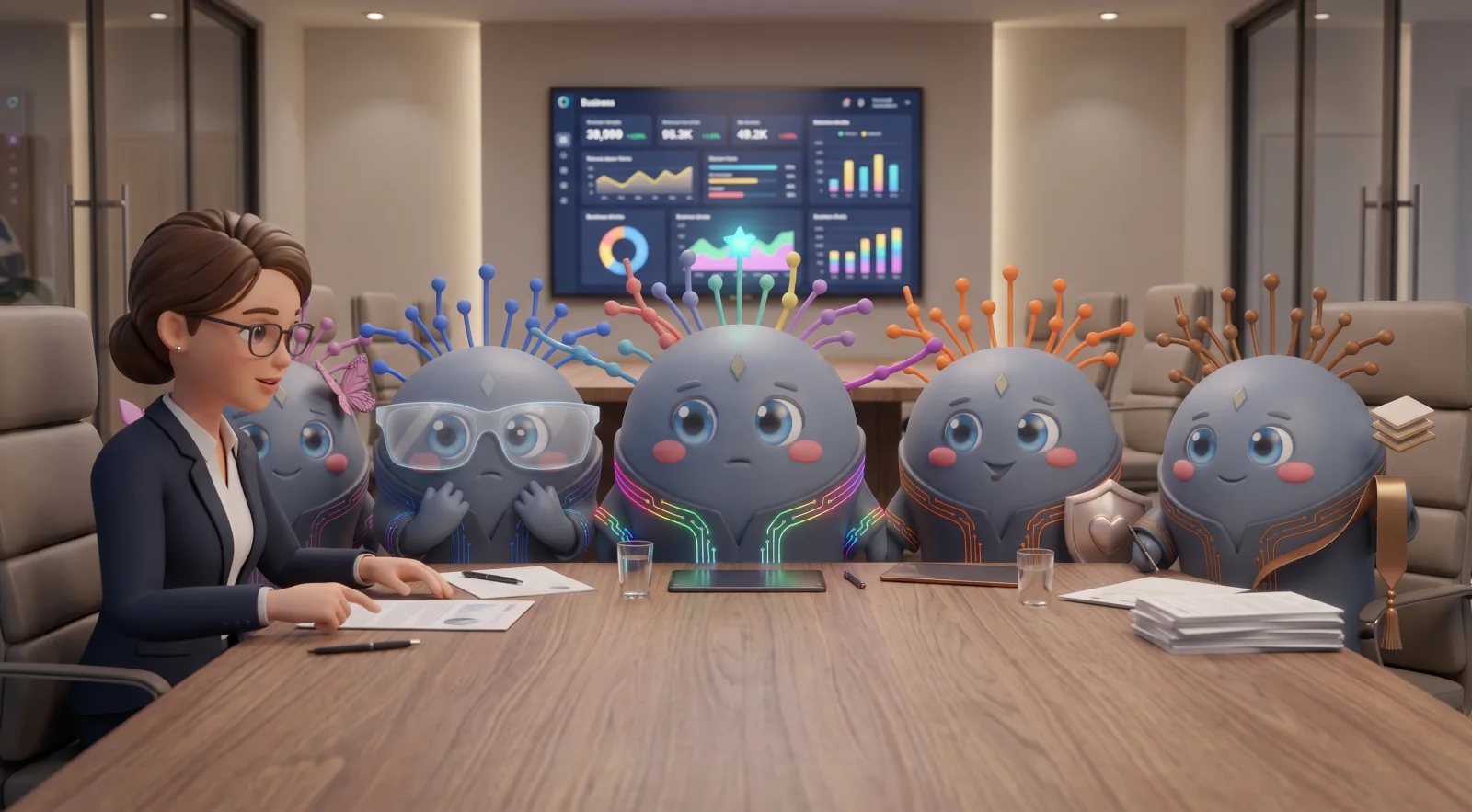
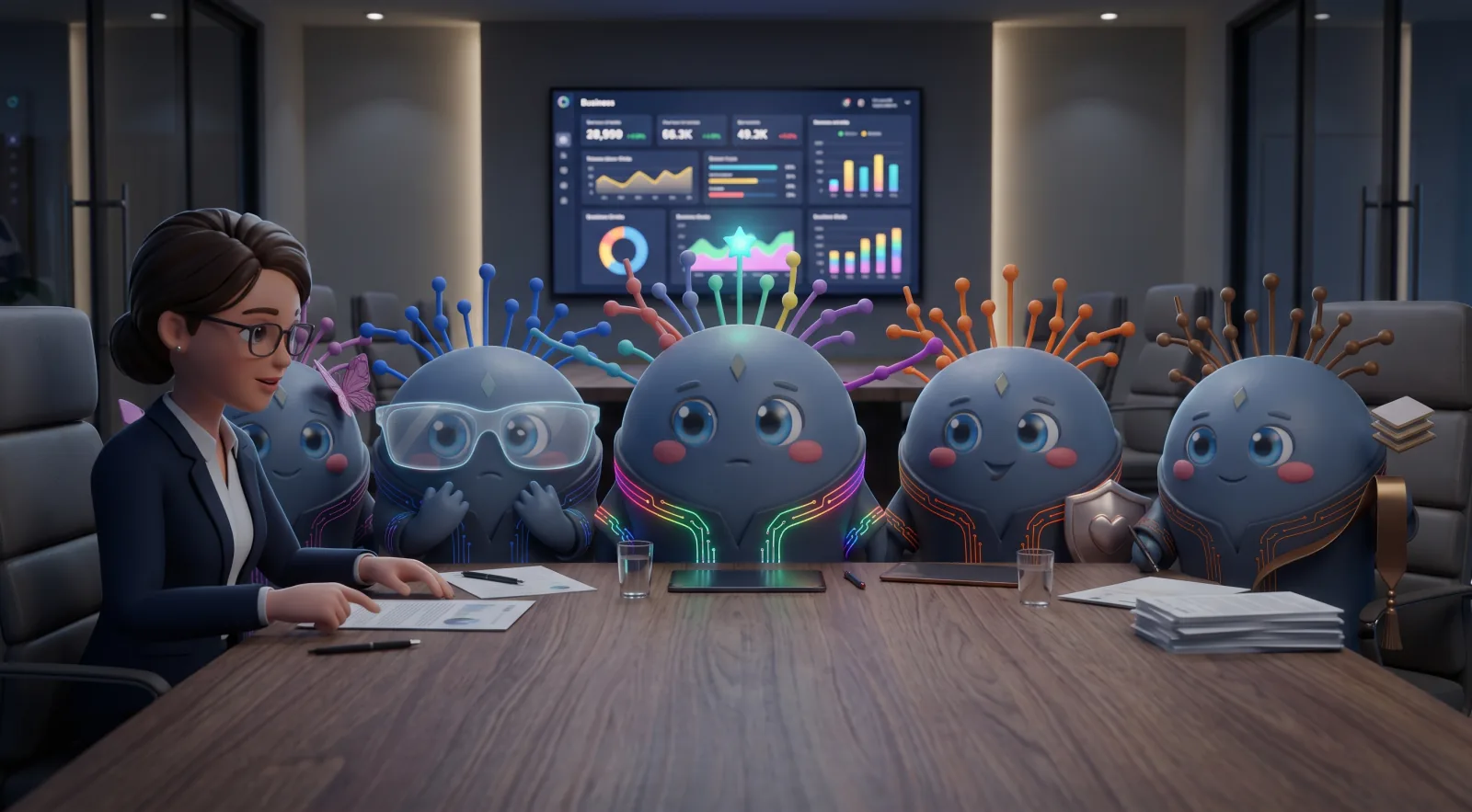
Thinkers think with you. You decide.
- AlmaComing soon
- Klima
- Nodi
- Ward
- KoraComing soon
Four levels of resolution
Zoom from a country down to a tribe.
Identity Models — the customer types of a market — exist at four levels. Go only as deep as your decision needs: the same young urban explorer looks different across the country, on the West Coast, in a cultural community, and among the fans who organize their weekends around a passion.
B2B
Selling to companies? Your Thinkers know who signs.
In B2B nobody buys alone. Your Thinkers model the buying room — the people who use, pay, approve and can block — so you test your offer with the committee that will decide, not with a single buyer.
Buying rooms
The roles of the buying committee, by seniority, sector and company size.
The decision, simulated
See where the deal moves and where it stalls: who champions it, who objects, what the approver asks for. Ward challenges your offer from the buyer’s side.
Country by country
Procurement and compliance practices change from one country to the next, and the buying room follows them.
Thinkers at work
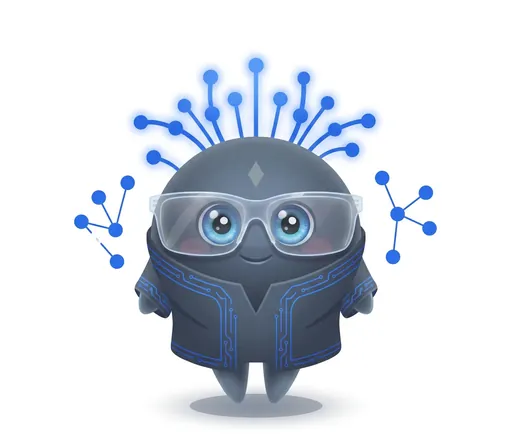
One question. Three Thinkers. One person deciding.
“Should we launch the new oat drink at $3.49 or at $3.99?”

What a Thinker does
Six things your Thinkers do with you.
Argues with you
Challenges your alternatives, brings the counter-argument and says what you are not seeing.
Remembers
Brings back past decisions and what came of them, so you never start from zero.
Brings what matters
Surfaces what your organization already knows about the question, including the documents nobody used.
Defines the market
Builds the synthetic population for your question from census data, personality profiles, industry studies and proprietary data, with its customer types (Identity Models).
Runs the simulation
Tests your alternatives on that population before you spend on the real market.
Speaks for the buyer
Says what the customer would doubt, refuse and never pay for.
People + Thinkers + your organization’s knowledge = a SuperMind: a team that thinks better together.
Meet your team
Your Horizon team, ready on day one.
Every Horizon licence comes with three Thinkers. Each one brings a different way of thinking to your decision; none of them takes it from you.


Nodi
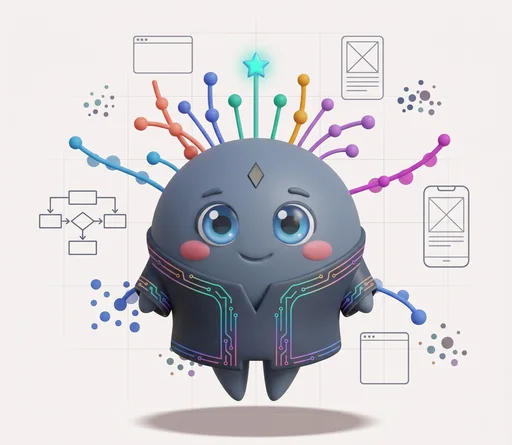
Runs the decision with you: frames the question, brings what your organization already knows and shows you what needs you.


Klima
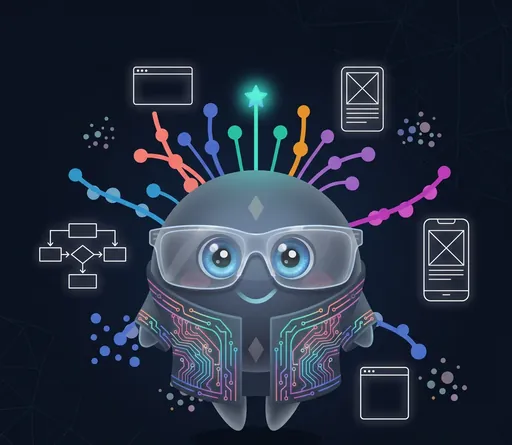
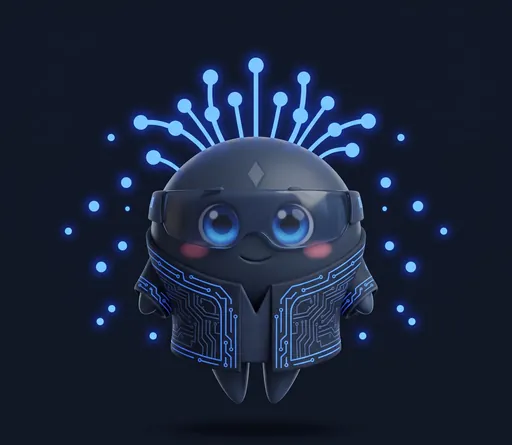
Defines the market for your question, builds its synthetic population from census data, personality profiles, industry studies and proprietary data, then runs the test.

Ward
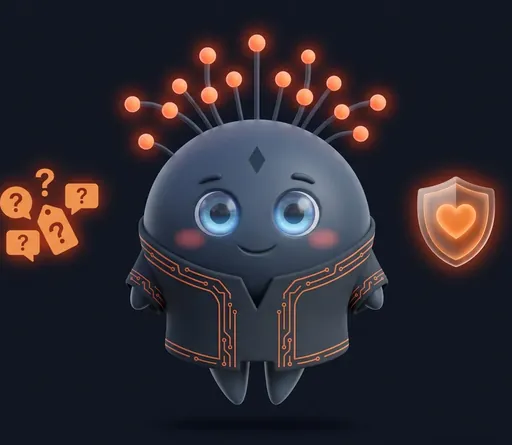
Speaks for the buyer: what they would doubt, object to and never pay for.
Grows with your plan
Board of specialists
Finance, marketing, operations, strategy, technology & product, people & culture: specialists who read your decision through their discipline.
Council
Five Thinkers in a structured deliberation, with an argument map, for organizations that run on INO-OS.
The loop
Every decision makes the next one better.
Horizon runs as a continuous loop. You can enter it at any point with a New question: one sentence, the business question you need answered. The decision comes later.


- New questionStarts the loop, or re-enters it, at any moment.
- 01 SimulateKlima tests each alternative on a synthetic population of the right market; Ward challenges it from the buyer’s side.
- 02 AnalyzeWhat wins, with whom and why, with its evidence and its limits.
- 03 LearnWhat you learn stays in your organization’s memory, at the right level, approved by people.
- 04 DecideYou record your bet, read the one-page report and decide. When reality arrives, it goes back to Learn.
How it works
Five stages of thinking, then you decide.
Behind every New question, Horizon follows the five stages of design thinking (Stanford d.school), with a Thinker at your side in each one.
- 01Discover
What do we already know? Nodi brings the organization’s memory and the documents that matter.
- 02Define
The question, the audience and what success looks like, framed with you.
- 03Ideate
The alternatives: yours, your team’s and the ones the Thinkers suggest.
- 04Prototype
Each alternative written so it can be tested: a concept, a price, a message.
- 05Test
The simulation on the synthetic population, with its credit cost approved first.
Decide
A one-page decision report: your bet, the simulation and, later, reality, side by side. You decide.
Learn
The decision and its result become memory that makes the next question better.
Grounded, not invented
Built on census data, not on anyone’s personal data.
Figures from the live genome.
The science · Coverage, not N
Why a few thousand synthetic identities can represent a country.
Studies with people need large samples because what drives each person is invisible. In a synthetic population it is explicit, so the job changes from estimating to covering: every identity that exists in the market, each with its weight.
Demographics alone do not reproduce how people answer (synthetic vs human, mean correlation −0.03).
Personality does, on questions tied to personality traits (stage 1 of the BVE study). Fidelity drops sharply for operational behaviors, which is why results are read as order and direction, not percentages.
of the variance comes from how the question is designed. The choice of AI model explains 3.2%.
Pricing
Start free. Pay for what you decide.
Your next decision deserves a better argument.
Bring one question. Your Thinkers bring the evidence, the counter-arguments and the test. You bring the judgment.